Independent by Design
It's crazy to think about that we wouldn't be here today if that bank didn't deny that $100 loan.
When I started, I didn't really have many skills that made me a decent general manager at all.
I did my first acquisition just over a year ago, and we tried to run two systems side by side for
too long, and it gave me gray hairs. I think it took a few years off my life.
I think now I'm more willing to trust my gut if something just doesn't seem right about the way something is going.
I'm more likely to say this just isn't worth it for us to go any further.
Why do these owners that have been building an alarm company for 30 or 40 years, and they might have several potential buyers, why would that owner choose Per Mar?
There's so much potential there. I think that's going to be just totally a huge opportunity for us over the next several years.
Good morning and welcome to Coffee Break With Jake. I'm so glad that you all are here. For
those that may be new to this call, we host Coffee Break With Jake every Friday at 11 a.m.
and the purpose of the call is to bring together folks from all over the industry
to learn best practices, to hear some really great stories, to talk about some challenges,
and to identify some opportunities. And selfishly, I host this call every week because the most
important things I've learned, I've learned from other people. And so I'm very thankful
for our guest speakers, and I'm very thankful for you folks that join in and add some commentary
in the comments as well. I do want to let you know, this call is recorded, and it's edited
into a podcast that's available on all the major podcast platforms. It's Coffee Break With Jake.
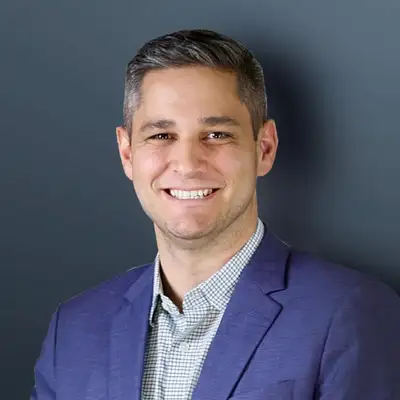
Be sure to subscribe. And today I'm very excited to be joined by Brian Duffy with Per Mar Security.
And Brian, tell us a little bit about yourself and where you're calling in from today.
Sure. Thanks, Jake. It's great to be here. So like you said, my name is Brian Duffy. So I work
for my family's business, Per Mar Security Services. I'm third generation of the company.
So we've been in business since 1953. I'm here in Davenport, Iowa, where we're headquartered.
And we cover, we say the upper Midwest. So from like Nebraska to Indiana, and then we're in
Missouri and then Michigan, Wisconsin and Minnesota as well. So we have an electronic
security business, which I know, you know, everyone on your podcast, that's the big focus.
And then we also have a more fire alarm focused company.
And then we have a security officer business as well, which is probably the most unusual thing about our business compared to most companies that you talk to.
But that's that's still our largest business overall by revenue.
Yeah, it's amazing that the security guard business, I would think I would think that there would be more overlap in our industry.
And I think there's some cool things that I want to get into and unpack on our call today.
But before we do that, tell us a little bit about the origin story of Per Mar Security.
I understand it was your grandparents that started the business. Is that right?
That's right. Yep. So they were traveling from Minneapolis to Denver at the time.
It was their plan to start a company when they got to Denver and they visit relatives here in Davenport.
And their car broke down, so they had no money to fix it.
I just recently learned from my mom that they applied for a hundred dollar bank loan to try to fix the car and just move on, but got denied.
So so my grandfather had some experience as a private investigator and he picked up a couple couple cases, made some money, started getting referred around town and they decided to stay.
So that's that's how the company started. So it was personnel.
And then marketing research was the other main business.
My grandmother led that where they would do, you know, Kellogg's want to know how a certain cereal would perform in the Quad Cities market.
She'd bring in people and then provide them feedback on that.
So that was really the main thrust of the company for the first six years, at least.
And then 1959, my grandfather got a confession out of an employee at a manufacturing facility in town and recommended to that company that they hire security officers.
And they asked him if he could provide the service. So he said, sure, he'd give it a shot.
And he bought some uniforms, read a book about the guard business and hired his first security officer.
So that was really, I think, when the company started to grow much faster because you can just do much more with that than the, you know, investigative business was very just focused on his own ability to find business and perform the work himself.
And then we got into the alarm business in 1968.
So he was afraid the technology was going to make the guard business extinct at that time and built the central station and just started selling new customers one by one.
And then in 1998, we expanded much more into the fire alarm business and bought a company called Midwest Alarm Services that is in Des Moines, Iowa.
That's where that business is still headquartered. And we share some back office services, but run it very independently.
It's a notifier dealer and really, you know, focuses on the fire alarm space.
So my parents both worked at the company for many years. That's how they met.
My dad became president in 1973. And then my brother Brad and I were two of seven children.
So it's a big family who all worked at the company at one time or another.
But just the two of us have made a career of it and came back.
I think I came back 14 years ago now full time and he's been back at the company 15 years now.
Wow. You know, that's first of all, you know, it's crazy to think about that.
we wouldn't be here today if that bank didn't deny that $100 loan, which is like, you know,
I don't know. I feel like there's just so much in life that you don't think about. Like,
I imagine for them, getting a denial for that was probably like very upsetting, right? And then from
that to see where you guys have come. Oh, my gosh, that I didn't know that. Thank you. Like,
I didn't know that detail. That's like such a cool. It's just such a cool progression and an
amazing, you know, to kind of turn around from that. But you did not start in the business,
Brian. And I want to unpack that a little bit, because let me preface this with, I have talked
to many multi-generation family businesses. And I have found most frequently that when the next
generation comes into a leadership position in the company, the most successful stories seem to
include the next generation having experience outside of the family business. And so maybe you
can unpack a little bit about your history, maybe growing up, first of all, in and around the
business, why you decided to, you know, maybe do something else and then what you did during that
time before you came back to the business. Sure. Yeah. So we, you know, growing up, obviously,
we all knew of Per Mar, had an idea, was a good sized company, but I didn't really know that
much about the industry and would come in occasionally. My dad would come in every
Saturday. He would bring some of us at times, depending on where we were at, like stage of
life. But it wasn't like I really knew a ton about the company and just worked in Central Station
the summer between my last year of high school and then my first year of college and did a couple
internships where I worked in different departments. But it was always a part of the expectation for
us that if anyone were to come back and work full-time in the business or make a career of it,
that we'd go work somewhere else beforehand, which for me, I worked for Capital One Financial
in Richmond, Virginia, which it was, for me, I would say part of it is just learning. I got to
work for a huge company, so I got to see some of the things that are great about that, and I got
to see some of the things that are not as great about that, and just experience, you know, just
being one of the people there, not being a duffy at Per Mar, and I had a couple really great
manager, too. I learned a ton from about really smart people. And a lot of it, too, I think was
just the confidence of I was able to go get this job on my own, totally unrelated to my family,
get a promotion and just, you know, feel some sense of success before I came back to work at
Per Mar was very, very good for me. Yeah, it makes me think, you know, as Sean was mentioning,
I interviewed Jack Doyle a couple of weeks ago and just a very similar kind of, I mean, almost
almost like verbatim what we just discussed, right? And it's interesting, you know, you mentioned like,
hey, it gave me the confidence, right? And I think that's really one of those things that
for a lot of the next generation coming into the family business that don't have that outside
experience, they don't, they have the confidence of having like the family name, but oftentimes
that kind of creates maybe like a lack of confidence, like, am I just here because of
the family. And so I think it's so cool to see folks go out, build that career, gain that
confidence, get that experience, and then come back in. And I think it really changes things for
them and for the business. Talk to me about when you decided to come back to the family business.
What was that decision? What kind of drove that decision? And where did you start? And how did
you move through the organization? I couldn't even possibly say why, but even from the time I was
probably like 10, I expected I would work at Per Mar or make a career of it. And I truly have no clue
why, but just what I had in my head. And so even when I went to college, it's what I expected I
would try. Not that I even, I mean, I had no sense of what that meant exactly. So then even when I
was moving to Richmond to work for Capital One, I thought I'll probably stay there about three
years. We had talked about like two or three years somewhere else and then come back, which is what I
wound up doing. I really, I enjoyed it out there. So I did three years instead of two,
and then just, you know, reached out to my dad. And I did, I did a phone interview with our
director of HR, which I don't know that I was that worried about how that was going to go,
but it was a process at that time. And it was an opening to be our general manager in Cedar Rapids
of the electronic security business. And I think it was just the one opening we had that was in
electronics at that time. My brother, Brad was already working in the security officer business
and thought it'd be good to get one of us in each. So that's why I moved to Cedar Rapids.
And I think it would have been, you know, maybe like a dozen people I think we would have had in Cedar Rapids at that time.
So I moved there to start overseeing that group.
OK. And then coming into that, you know, did did having the Duffy name, did it make leadership easier or did you feel like maybe you had something more to prove?
I really never felt like I don't think it made it harder.
I mean, I think in general, like the, you know, we had a lot of really experienced employees, the ones who would actually be paying attention to like, oh, how are the next generation doing in the company?
For all of them, I think for us to be successful should be a good thing because that just increases the chances the company stays independent and there's no massive disruption to everyone.
So I never felt like it was an extra challenge.
I'm probably more like there was a different level of professionalism.
My felt and feel is necessary as a family member in the company and just a different level of responsibility.
But none of that. I guess it's just part of the deal to me.
Yeah. Well, I love that perspective, too. Right.
You know, the idea that in order for the business to remain a growing, thriving family business like the folks on the team,
they want the family to be doing well and progressing through leadership and working
well within the organization. So tell me about how did you go from leading the Cedar Rapids
operation to eventually becoming the CEO? Yeah, so then, so that would have been,
I said 14 years ago. So I came back in like 2012, was three years out of college,
and was the general manager of Cedar Rapids. And then the division was restructured a bit.
and we went to more of a sales structure and a separate operation structure. So I oversaw the
salespeople in Eastern Iowa for one year, which was a good experience for me. And I want to say
too when I started I didn really have many skills that made me a decent general manager at all I mean it was just really things that I had to learn through being in the office So it was great to be able to do that in the you know just a little bit of a smaller environment there as opposed to like a huge level of responsibility But there was just I didn
know the first thing about the equipment we sold or how the systems worked. I mean, you know, I had
a slight advantage from having worked in the monitoring center, but not like I really was
an expert on any of that. So it was great to be able to do that and also to spend time, you know,
cold calling with the sales reps and just experience all of that. And then it was, I think
had been the sales manager for about a year. We'd gone to a separate sales and operations
leadership structure at the top in the division, and the sales leader left the company, and it just
created this opening that I talked to my dad, and he felt like I was really probably very young for
the level of responsibility at the time, but it would have been an odd spot to be able to hire
someone else in with the idea that what's it going to look like for the next generation, and what's
the what's the pace there so ultimately he just decided he'd rather have someone in there that
he just felt like hey we're at least you know we're we're working on the the same things you
don't have there's a lot of things that can just go a lot faster when you have someone you know you
you trust and his family i would say he promoted me into the i think it was vice president of the
division but essentially responsible for all of electronic security probably just way faster than
he ever would have planned on but it was just the way that worked out you know having had experience
on the operations side and with sales, which part did you like more?
That's a good question.
I would say I'm probably more naturally suited to operations, but I think sales is easier.
If you're never a technician, I think it's harder to be effective as an operations leader
than it is to come in as a sales manager.
I think if you put in the time, you can much more easily just learn what you need to learn
to sell effectively.
So I was probably better at the sales part than operations.
But you learned that on the job training, so to speak. You got that experience there in Cedar Rapids with the operations. I think that's interesting because, again, so many of the next generation folks I talk to, they come into the business with a sense of, I know how things should be done without knowing how things should be done.
And I love that kind of humility that you came into it with.
Like, I didn't know I didn't know how we did things right.
And I had to learn that.
And, you know, I think that's that's really kind of a unique and refreshing perspective from a from a leader, especially a leader with the family name, because you admit like, hey, like we there was some learning that was involved in that process.
And during that process, did you find that some of the folks that were within the organization kind of mentored you or were kind of helping you through and learn these processes?
Or is it mostly your dad that was doing that? Or who did you primarily learn from as you were kind of growing in these roles?
Yeah, so my dad would have been, I think, like probably two levels removed from where I was at in the organization.
So that creates an interesting dynamic in itself for anyone to be, you know, reporting to him and managing me or reporting to someone that reports to him and managing me.
But certainly we had also learned from my manager, from our own staff, you know, some of the more experienced people.
If I just spent time with them and asked the right questions, I was able to learn a lot from them.
And then also we had a couple really experienced people like division Y that I was able to, I guess, learn much more from or, you know, ask them questions.
they're willing to give of their time, especially if, you know, as long as I'm paying attention and
they can tell I'm trying to learn, which I feel like that's basically the same with any other new
employee. They get so much help if they're showing that they're actively learning what's going on,
and people were just really willing to show me that kind of guidance. That's awesome. How long
were you within that role, and then how did, again, what was the progression? You know, once you get
past that point, I actually don't know what the times were like. So essentially, I was overseeing
all of electronic security. It might've been like a couple of years after that, that then I became
responsible for Midwest Alarm, our fire alarm company. So then the leader of that division
began reporting to me. And then at some point in there, each of our back office services were
primarily IT and accounting and HR. And I think I took on all of those more directly just at
different points, but I really, I couldn't tell you when, I don't remember exactly. And then at
some point I became the COO, which is when then the security officer division began to report to
me as well. So that's the point at which I was the only, you know, the only person reporting to my
dad. And I felt like I had, I mean, almost total autonomy to run the company basically. So that
might've been like 2018. And then you became CEO in 2021. Is that right? That's right. Yeah. And
I would say at that point, that was probably, it was, it's a more visible title, I guess. So it
would be something like we did a press release and there'd be employees that would notice something,
but the ones that we worked with every day, that wasn't like a massive change in the way that the
company functioned at all. Okay. So you were running the day-to-day before that, and this
was kind of like, hey, now it's official that you're the CEO. How much autonomy, this is something
that, again, as I'm talking to family businesses, how much autonomy did you have at that COO level
and what kind of guardrails might have been in place to kind of maybe from your dad as you were
coming into that leadership role there? Yeah, I would say lots of autonomy in all of the roles.
I mean, certainly I had a regular, so like by the time I was COO, I would have been his only direct
report. I don't think he would have had any recurring meetings other than just we did have
a one-on-one, I think maybe once a week. So, you know, I can bring items to him and he would bring
a list or whatever he was thinking about, you know, we would, if there was a really big decision,
we would talk about it. Oftentimes we want to do the same thing. And if we disagreed,
I don't, there wouldn't have been a single time he would have said, no, you're not allowed to do
that. I don't think at least, but you know, I valued his perspective, of course. So oftentimes
we just came to agreement on what the right thing to do was, or there, I'm sure there were times
where I thought that's not what I would do, but I'm not picking this battle. So I'm just going to
do what I think he wants me to. It's part of relationships with anyone. Yeah. So that's how
I would look at it. What number in the seven, what number are you? I'm the sixth of seven.
Sixth of seven. So you're one of the youngest. Yeah. So my oldest sibling, I think he's,
I'll turn 40 this year. Okay. Makes me feel a little bit old, but I think my oldest brother
might be like 52 now. And then my younger sister's 35. Okay. Okay. Yeah. It's interesting. I have
three siblings and I feel like being on the younger end of the spectrum, like you kind of get,
but by the time, by the time you're kind of coming up, like, I think, I feel like you have the
advantage of having seen other siblings. Do you develop a different relationship with, you know,
kind of your parents, so to speak? And, and I don't know, I, at least in my experience, like
my dad and I, we, we chat all the time and like, we have that, he's actually a partner in the
business, this business, he has a separate business. But it's interesting kind of that
dynamic of having the autonomy, but also having kind of that back and forth that you had. So
tell me, you become CEO. Now you're running an organization of how many employees at that time?
Probably like 2,500, something like that. Wow. That's amazing. Okay. So 2,500 employees,
head of a family-owned business. How do you guys and how do you specifically really focus on
maintaining that family culture throughout an organization as large as yours? You've worked
for a very big business. What's the same? There are some good things that come from being in a
very big, very organized business. What's the same? And then what would you say is different
with it being a family business and you being a leader in that family business?
Yeah, that's a good question. So I would say if I were to compare it to like, like I said,
I work for a really big company. I can't even give you a great answer just because the way that
I would look at my role there is so different than how I look at my role here. You know,
I just was like, I was certainly doing my job and I cared about doing a good job, but working for
our family business is just a totally, it's just totally different though. How much I'm even,
I mean, I'm making the decisions now, but when I was at Capital One, if they would make some big company wide change for the most part, unless it impacted my job, it just really didn't matter that much to me, you know.
But but I would say I feel like our company could be different, partially just the continuity of like I said, I've been here 14 years now.
And like at least for the people of electronic security, there's been it's been 12 years where I've been the person responsible for that division.
The division has a president now, but, you know, still I'm involved in making sure I know those people and, you know, go visit the offices on a regular basis and can maintain relationships that are just much longer term.
So I feel like, you know, to the extent that the company can be making long term promises to the employees, we're actually just much more.
It's easier to believe us probably than it is to believe some person at some huge company, because the person telling you this today is far more likely to be the same person 10 years from now.
When we say we're going to do something.
Yeah, I think that's an interesting point, right?
it's not just the company's values, it's the family's values, you know, and priorities. And
sometimes in a big company, you get new leadership that comes in and you don't know what you're
getting, but like to some degree, you kind of have an idea of like, hey, there's the consistency of
knowing like, hey, this is the Duffy business and this is how we do things. And, you know, there's,
I guess that that sense of comfort that I think comes with the with the longevity there.
Yeah. And I would just add to as far as like the overall culture, our ability to retain and develop good managers is just totally essential to us operating a successful business.
And so I just think the way in which we can actually, you know, get to know a huge number of those those people and develop some sense of who they are and, you know, get to know them as family members can make a difference to how much we just were able to keep a lot of those people.
So our retention rate, especially amongst managers, tends to be very high.
That's awesome. That's really that's that's I think that's probably, you know, one of the leading indicators of a good company culture is like, hey, how long do people actually want to stay here?
Right. Like people are staying like, you know, things are things are good.
Talk to me about working with your brother, Brad.
Like he's is he over the guard business?
And what is that? How did the two of you kind of operate together?
Yeah. So so he lives in he lives in Des Moines.
So, like I said, I'm in Davenport, which is where we're we're headquartered because he runs, you know, he runs that whole business unit.
So we work together similar to the way I work together with the presidents of the other.
divisions where, I mean, he really day-to-day runs the business. So there's a handful of things that
I would regularly be involved in, or if we're going to make some big change, we would talk
about that. And then other major company changes, I'd be more likely to get his input on things,
just given he's my sibling, obviously, and is deeply invested in the business.
But the security officer business really can run so separate from the other businesses that it's
really, I mean, it's almost like his own, I would say. I want to get into this in a little bit,
but I'm curious, and I don't want to unpack too deep on this because we're going to come back
around to it. Are you seeing opportunities now with the guard business and the remote guard
business to kind of augment services to where you may have a customer that has guards today,
but that customer may also be a really good fit for video monitoring and remote guarding? Are you
starting to see some of those synergies now? Yes, I think we've been successful. We used to do a lot
of temporary security officer work at construction sites. So we would, you know, for the whole year,
the project is under construction, there'd be a security officer out there every hour of every
day. And the vast majority of that is done through video monitoring now. So we've tried our best to
have good offerings that cover that. And beyond that, we have a handful of sites that would use
video monitoring to more actively monitor the site and you know point the guard in a certain direction And then we had still a small percentage that have eliminated the security officers So I think the construction site security was by far the big one
And it does seem like there's a little bit every year,
but the pace of change,
it hasn't really gotten that much faster
is my perception at least.
Interesting.
Yeah, so there's still room for both, right?
There's room for the guards,
there's room for remote guarding,
and there's starting to be a little, some overlap,
but there's still kind of applications
where guards make sense
and where video starts to make more sense, right?
Absolutely.
So you guys have done a ton of acquisitions.
At least I would say from my perspective,
it seems like a ton.
How many acquisitions have you done?
I'm gonna look this number up.
It's around a hundred, maybe like a hundred and a half.
Yeah, okay.
Yeah, I was like looking at old data
and like old data said like 93
and I'm like, oh my goodness,
this is like a dated stat.
So an incredible amount of acquisitions.
We talk about some of these companies that are like, you know, on buying sprees.
But I think about that in the context of your company.
And I think, hey, this isn't just like a quick buying spree.
This has been a very deliberate part of your growth over an extended period of time.
What did what have you learned in that time having completed?
I know a lot of the acquisitions happened before, but you've you've been involved in the acquisitions as well.
What have you learned about acquiring security companies that you can only learn after doing a lot of deals?
It's a good question. You know, I think probably the more I understand, the better I can anticipate the things about the company that maybe, you know, if you ask by far, most of the sellers think this is our time materials rate.
And we bill all of our clients when we go roll a truck to do a service call.
And then often you find out after the fact, a lot of time, maybe they bill half of those
or, you know, it's just, it's hard to tell.
And, but based on the way their financials look, I think, you know, we have a better
sense of probably what to expect there now.
You can really just see oftentimes based on even interacting with the sellers, you get
a good sense of here's why they're valuable to their customers and why that business is
successful.
And here's probably how organized they actually are around the way we're going to get this
information back and the, you know, the things they're probably really good at and the things
that they're not as good. So at least we can be prepared for what that'll look like after the,
after the closing and just each, I mean, it's just amazing how companies of exactly the same
size, we can see, you know, some of them do twice as well as others, as far as like what they're
able to, what they're able to make just based on the way they run, run the business. So I don't
know if that really answers the question, but I just think I have a far better sense. And also
maybe the way sellers answer questions. I think now I'm more willing to trust my gut if something
just doesn't seem right about the way something is going. I'm more likely to say this just isn't
worth it for us to go any further. That willingness to walk away from deals also makes the number of
deals that you've completed all the more fascinating, right? It's not that you're just
buying anything and everything. You're making very calculated decisions on what companies you want to
buy. But talk to me about the folks that having completed 100 or so acquisitions, some people
think, wow, that's incredible. Having the capital to do that is incredible. Having the operations
in place to absorb those companies and integrate them is incredible. But the other piece of it that
I find incredible is just the ability to source deals, right? And there's so many folks that'll
go out and buy companies and they're aggressively pursuing deals. Why do these owners that have been
building an alarm company for 30 or 40 years and they might have several potential buyers,
why would that owner choose Per Mar? Why are they, a hundred of them, choosing Per Mar?
So I would say probably half of the time, maybe a little more than half. We have an existing
relationship before they even get serious about selling. So we try to get to know
our competitors in local markets. So at least whenever that time is right for them, they would
call us. I know there's been many cases where the companies have competed with us, but they just have
at least enough respect for us as a competitor that that would give us a little bit of a leg up
going into the process. And then beyond that, I think just one major part of our strategy I
didn't mention before, and we're obviously very geographically focused. So it's not like just
because we can put some cash to work, we're going to go buy a company that doesn't make sense in our
in our footprint. So there's just cases then, because we're so focused on just being able to
grow and have scale in our local markets, a lot of those companies can be pretty small too. Like
we're very willing to even do a relatively, you know, a hundred accounts or 200 accounts if it,
you know, seems like we'll get the right information and pull it off. And then in those
cases, they're just not a lot of other buyers for those companies, but we're willing to do them
because we, you know, we need to have the scale in some of the small markets that we operate in.
And so having completed so many acquisitions, what have you learned not to change too quickly after the acquisition?
You know, it's hard to give that a blanket answer just because every company is so different.
And I would say especially, you know, the small ones, the owners do just so much of the work.
I really try to understand what's really valuable about this person that would be hard for us to replace.
And I mean, often, for the most part, it winds up they own this company, but they're just an incredibly valuable employee.
of their own company. That's why the company can do so well. And then with the bigger ones,
I think it's just a lot more important to whatever you can do to understand what are the dynamics at
play in terms of how this company is organized and how things get done. And then still, how do
we replace the owners if it's their desire to retire? But the big thing I would say is just
really, you can't treat them all the same by any means. So you got to really just listen and try
to think about what makes this like us, what makes this different than us, and to what extent do we
want to make quick changes versus not. And then even after the closing, you're going to learn
so many things that you couldn't possibly know before. And just each of those, we have to
really pay attention and think and not just try to, you know, shove it into the box of how we
want to do things right away. You know, I imagine there's probably all those unknown special
arrangements for friends and family and stuff that you're like, you find out after the fact,
like, wait, we were doing all your service for free and all those funny little, you know,
deals that you don't know about. When you do complete a deal and you've acquired a great
company, what are the things that you do want to make sure you do right away? Do you communicate
to the customers? You know, what do you communicate? How do you communicate with the staff?
What is kind of like that integration plan in a nutshell?
Many of them have a smaller staff, and it really depends, too.
If we already have a branch location in a given place, it actually it's just it's so much simpler because we already have leadership there that knows how we do things and they can work with the new people.
and then we also just have a culture that we can fold the new employees into and they should just
they'll be able to see how you know how we do things as opposed to trying to melt the two
cultures together all of the all of their own when it's all people that were used to something else
so those can be relatively simple if it's a brand new branch location it's very important that we
have someone who knows how we do things that's going to be there very regularly for for months
working with the working with the management and just you know trying to make sure that we're
developing relationships with the new staff. Certainly, we have to communicate with the
customers right away. So we'll ideally get a letter out that they would receive right around
closing or even it's been a little bit before in some cases, or it could be a few days after.
And then we got to have the data and our accounting system that also feeds it into
our field management system on the day of closing. So if we don't do that, I feel like we're just
really not setting ourselves up to be successful. There's no way then for a customer to call in and
you know, someone to find them just like they find anyone else.
So the faster we can get all that data just shown the way our existing customer data is,
by far the better off we are.
And then generally we work to convert the monitoring about as fast as we practically can.
So we have to really, really look at all of the monitoring accounts and how they're set up
so that we wind up handling things the way that the customers expect.
But that's another important piece for us because that's just how we're used to servicing our clients.
our clients. So for us to have this, you know, 400 accounts that are at some third party monitoring
center, we're just, I know day in, day out, we're not going to be as good as we are when they're all
inside our own. Sure, sure. And standardization. So it's funny, I'm having flashbacks. I did my
first acquisition just over a year ago, and we tried to run two systems side by side for
too long. And it gave me gray hairs. I think it took a few years off my life. I wish I'd had this
conversation with you before, you know, like, hey, you just got to, you got to quickly kind of make
some things the way you do things so that you can be the best. We're through it. But yeah, I wish I
had that advice a little over a year ago. I've heard of companies doing that well. The other
piece of feedback I've gotten from employees that have come from acquisitions is that I think the
most important thing is that oftentimes there's things that we're going to do that we can tell
them right away. And then obviously we have to follow through and do that. And then there's
things that we're unsure, that if we're unsure, we should say that when they ask a question.
So we have to get back to them. And then if there's things that they want that are just not
going to happen, we just need to tell them right away. Like there's, it's not to anyone's benefit
to say, oh, I'm going to go think about it and then never get back to them. Or just like, just
the clarity of, you know, what's actually going to happen is really what we need to be providing.
Talking about change, technology is changing and technology has changed over the course of
Per Mar's history. You've watched the industry move from traditional intrusion systems to,
you know, IP video surveillance and video analytics and now live. I see your live patrol
that you all are offering. What change in technology feels the most consequential right now?
It's probably a tie for me between the way that, so LiveShield is our brand for our video
monitoring product that we're providing in, you know, a lot of different avenues. And that's
obviously a huge change. So our ability to really proactively detect an issue, a lot of that's
outdoors, quite a bit of it's indoors for us, and then communicate both to the customer with
more authority on what's happening, and then also communicate to the police on that and get
priority response. That's, you know, I never would have guessed 10 years ago that would,
you know, something we'd be able to do at some point. And it's just becoming more and more the
way that we're able to provide, you know, what traditional alarm systems would or protect areas
that we couldn't protect at all before. So that's obviously a huge change. But I feel like actually
the ability for the video analytics to be useful to the customers in other ways, as far as like
collecting data from their sites and being able to improve a safety program or, you know, understand
traffic counts and stuff like that. It's not something we're to a point where we've really
made that a product that's really effective for us yet, but there's so much potential there. I think
that's going to be just totally a huge opportunity for us over the next several years.
I think that shift from security as, I should say, technology that we supply as a solution for
security more towards technology as a solution for business intelligence is one of the most
relevant shifts that we're seeing. And we're starting to see things go from a perspective
that, you know, cameras and access control are just a cost, right? Like, it's just a cost to,
hey, like, this is actually improving our business, right? This is giving us relevant
information that we need. I'm optimistic. Like, I think that's actually the best possible scenario
for us as an industry right now is for folks to kind of stop seeing us as just the solution
to keep bad things from happening to,
hey, this is a solution to help you run your business
on the everyday.
And I think that's where it gets to be more and more valuable.
Talking about value of the services that y'all provide,
even as we shift from traditional security
to maybe more video,
we starting to see that it not just about detecting intrusion but we actually seeing companies selling the proactive deterrence that comes with that And so do you think that that is making
a meaningful impact on the perceived value of the systems that you all are installing today?
I think so, for sure. Yeah, we try our best to set up our video monitoring systems that also just
automatically alert on site where there'll be some message or just quickly we get to where
we're doing talk down on those. And obviously it's great to capture people and we get far more
captures than we did a few years ago. I think in a given year, I want to say we had 200 captures
last year, something like that. And before we couldn't do that at all, but then the deterrence
will be a multiple of that, either the automatic deterrence or that we will have someone that
does talk down specific to the person who gets them to depart. So I think it's a huge part of
what now we're able to sell. And then obviously the signage and just then I think once word is
out that an area is really protected, there's just far less likely someone's going to have
an issue or someone coming on site. Yeah, I think that's, I'm excited about that because again,
And, you know, the biggest challenge, one of the biggest challenges we've seen as an industry is that, you know, even when your alarm goes off, police response might be slow.
Right. Or even when your alarm goes off, somebody might have just kicked in the glass door and caused a tremendous amount of damage.
And it's like, well, great. The alarm went off. The police did show up, but my place still got broken into.
I still got this damage to deal with. And so what's the value?
And so I'm excited to see you guys leveraging video monitoring.
and I'm curious, I know we talked about this just a little bit before, how do you see long-term,
I know now you're starting to see some overlap, but do you see some long-term opportunity for you
to offer more remote guarding and video services to some of your customers on the guarding side?
I think for sure that it'll just go up over time as far as, you know, probably a little bit every
year, how much of that, that we can do. There's still so many sites where the officers are either
interacting with the public or, you know, other things that I think are better done by a person
that's there. So I think we'll be able to do a little bit more all the time. But many of the
things our security officers do actually would be, you know, more, they'd be replaced by robots,
if there's, you know, if that actually ever happens. And I'm not, we're not working on a
robot program right now. That's not why I'm saying that. But just my sense is that that's what would
be necessary to replace, I would say, well over half of what our security officers actually do,
just to do it to the level that the customers want. And just, and at this point,
robots seem very far away from, you know, having those abilities to me.
Yeah. Yeah. And, you know, I think that the, it's interesting when you talk about the benefits of
having some guards, the actual guard physical presence there and being able to interact with
the public because sometimes it's not just about, and this is something that we see,
people sell security solutions to like property management companies when they're having issues,
maybe at like a shopping center. And those sites, they want people, they want customers to come.
And the reason that they're contracting for security is because they want their customers to feel safe. And to your point, a camera shouting down at everybody all the time might not be the ideal solution to encourage my wife to come there with our kids to the grocery store.
it would be better to have a uniform guard there, you know, kind of keeping an eye on things and
maybe deterring things and not being a shouting, you know, camera at people, you know, so. And I
imagine there's probably some ability to have your guards responding to, are you guys doing anything
where your guards respond to alarms or video alarms or additional alarms? Yeah, so we have,
I think we have five markets that we have a service called alarm response that,
so we have security officers that are on the road and they,
they're doing some mobile patrol,
which is sometimes just the presence of security.
Someone wants a car driving through the, you know,
a lot or there's just different, different tasks they'll, they'll do that.
At least in those cases,
the customers don't want done by electronics like access control or whatever.
And then they also do respond to alarms. So that if we get a,
those are mostly traditional burglar alarms we have that then would we would dispatch the security
officer to the site to investigate the cause so we have still quite a few customers with that
service it's less common now i think with a you know brand new system more often we can
we can cover that with just the technology but you know a lot of these systems work for
30 years so that's the way that we're we're servicing them and then it has the additional
benefit the officer can oftentimes use a key to go inside they can reset the system and then the you
know, the customer doesn't have to find some other way to do that. Yeah, no, that's cool. I think
that's so much of the industry. A lot of the value comes from the police response. And as the police
might not respond quickly, or also, as you described, the police aren't going to have a key
to go in and reset the alarm. I think the value of those guards for response is really a moat
around your services. I want to talk about all the consolidation that we're
seeing throughout the industry, Brian, as the industry continues to consolidate, you guys have
remained family owned and independent, continuing to grow. Why is independence and maintaining,
you know, the family ownership, why is that strategically important to you?
Yeah, so I would say, you know, we don't even think about another option. So it's not really,
I don't have a great, so it's not like we can consider anything else. But I would say we do
have benefits. I mean, as far as like you asked earlier about like, why would a seller choose us?
I feel like we can, for our size, just do things really quickly and flexibly. So we, there's a lot
of things we have to do because of our size. Like we create budgets and we have, you know,
all kinds of P&Ls that we watch and, you know, have managers that are involved in. But if we
create a budget and then January 20th, we learn that there's something we should, you know, spend
money on that we didn't plan on. We just do it. It's not like there's someone we have to talk to.
It's just we just try to do all the things that make sense. So I think it's just a different
way for us to, I guess, relate to the employees and just run the company that I can't imagine
any of us would ever want to run the company and report to someone else. I can't imagine that would
be enjoyable for me, at least. Yeah, no doubt. And I think it's what you described there. It's
It's not the absence of bean counters, right?
We need bean counters, but it's the absence of bean counters, like ultimately making the
final decisions, right?
Like you're able to pivot, as you mentioned, like, hey, we've got a budget for this, but
we recognize something might need to change here, you know, to meet a need.
And I think that flexibility is really different from what we see with some of the other operators.
Looking ahead, do you think that independent regional companies are in a better position?
Or I should say, what advantages do you think they have as compared to some of the hyperscale national companies?
Yeah, so I think with, you know, it depends on the company, of course, but I think we're in a better position to be able to have a little bit more personal touch on the service front.
So, you know, because we're so regionally focused, we just have much more local offices to our to our customers.
So like in Wisconsin, we have six offices for electronic security.
And I think with even as many customers as we have, a big national company might have like one or two.
And that would just be it would be the smart thing to do. Maximize your profit in the next like three years, let's say.
But but we just try to invest in a different way in that.
So I think to the extent we have an advantage, it's really mostly about our ability to find and retain good people.
And it's, you know, the more the older I get, the more I realize it's so much of how strong our managers are.
So we really got to find and support and keep great managers.
And that's what helps us keep great, great employees that are working with the customers every day.
Amen to that. All right. So what worries you most about the direction of the industry?
I mean, there's been a little bit of a move toward, I think, manufacturers are in a better position to go direct to customers than they were, I mean, certainly 10 years ago.
So it's not like it's not a percentage of the pie that's, I think, impacted us that much yet, but I think it'll probably grow.
So that's become more common.
I think that's funny.
I was just actually emailing back and forth to the next exec yesterday.
It used to be that the dealers were the gatekeeper and the expert for technology.
And now we're seeing some of these manufacturers with like super scaled sales organizations,
like going directly to the end user.
I think, as Jack Doyle mentioned in a separate conversation, he said that some of those one
specific company should be deprived of partnership, deprived of partnership.
And I thought that was absolutely like the best way to say it, like deprive those folks of partnership because they're not.
I don't think that overall it's good for the customer experience, because I think sometimes we're seeing those folks driving decision making at the end user level and then reducing integrators to just skilled labor.
Like that's that's the perception. And I think that's dangerous for I think it's dangerous for the industry.
But I can have a whole you touched a nerve here with me, Brian.
I can have a whole like, you know, discussion about that.
But yes, that that worries me, too.
But I think all will be well there.
What would you say the biggest opportunity is in the industry today?
It's got to be video.
I mean, I think that'll just, you know, it grows every year as a percentage of our sales
and it should be able to grow even more.
So it's grown, especially as a percentage of our recurring sales.
I think there's just so much more value built into the services we can build around video.
And that just should get to be bigger and bigger.
What do you think your grandparents would be most surprised about today looking at the business?
I guess probably just the size of it.
I don't know if they'd be surprised that it's still a family owned business, you know, probably a little bit.
But I think it's already just far bigger than I think anyone ever like set out to have a goal.
It was just that we, you know, we just try to grow every year and been doing it for a long time.
So it's got to be pretty big. That's amazing.
And so if there is one lesson you learned from your grandparents or from your father that you've taken with you as a leader,
what do you think the most important lesson is that you've that you've learned?
This would carry over from my grandparents and then also my parents both.
Very much. It was important to them that they got to know, you know, as many employees as they could.
But then the way they treated the frontline employees is no different than the way they treat someone that's an executive at the company.
So just their value system was based on, you know, everyone just being having the same opportunity here and that everyone should be treated the same way, regardless of whatever walk of life they come from.
Love it. I love that. Brian, I want to thank you so much for sharing the Per Mar Security Services story with us today.
Thank you for being here. I want to thank all of you that have joined the call today.
I want to remind everybody that this call will be published in podcast form in the coming weeks,
likely a write-up on this in security sales and integration as well. So stay tuned for that.
For those of you that do business with us today, including you, Brian, thank you for the opportunity
to serve your company. It really is a privilege. If there's anybody on the call that does not do
business with us today and would like to learn more, please feel free to reach out to me after
the call. I'd love to connect with you. But whether you do business with us or not,
You are always welcome on Coffee Break With Jake.
I'm so glad that you all were here today.
Again, Brian, thank you so much for your time, and I hope you all have a great weekend.
Creators and Guests